A CENTURY OF NIKOLA TANHOFER – HOMAGE TO THE TOTAL FILMMAKER
VALLI CINEMA
OPENING: 1 July 2026.
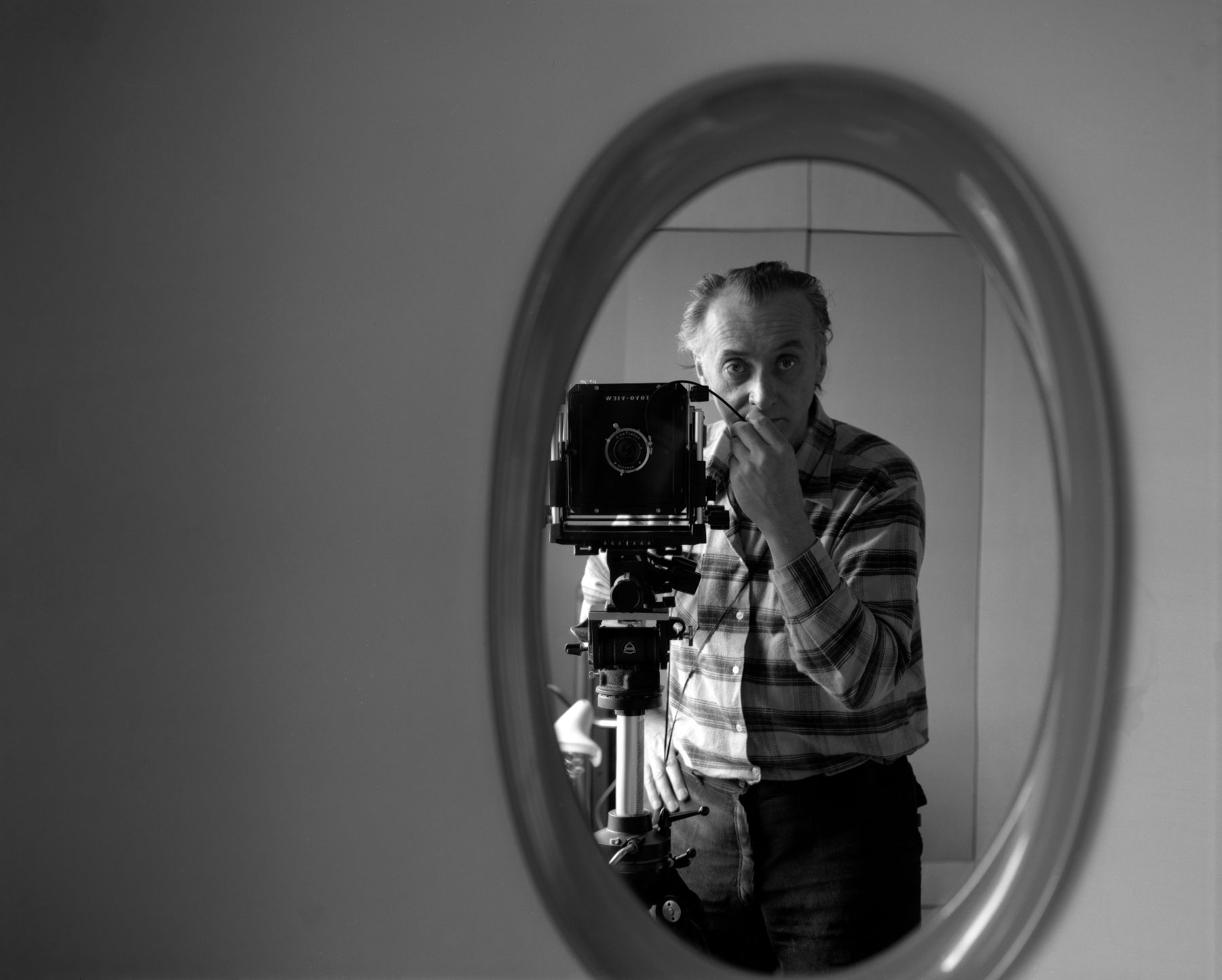
Marking the centenary of the birth of Nikola Tanhofer (Sesvete, 1926 – Zagreb, 1998), Pula Film Festival, in cooperation with the Prigorje Museum from Sesvete, is opening an exhibition dedicated to the unforgettable Croatian cinematographer, screenwriter, director, and pedagogue at the Valli Cinema foyer; while the retrospective will remind us of his most significant work in film.
Although most of the exhibits will focus on his cult film H-8… from 1958, the exhibition will offer several parts to show the creative path of the multi-talented filmmaker, or ‘tireless film decathlete’, as Zvonimir Berković described him. His professional career began in the late 1940s with newsreel production and work on the early films of Branko Marjanović, Branko Bauer and Krešo Golik. He went on to direct seven feature films of various genres and numerous television productions before turning, in the late 1960s, to teaching and writing about cinematography and the cinematographer’s craft. In the 1980s, he also explored the field of computer graphics.
The film cycle at Valli Cinema will bring a selection of five feature films directed by Tanhofer: It Was Not in Vain (1957), H-8… (1958), Double Circle (1963), The Sunrise (1964), the medium-length Klempo (1958), and short films by other directors that have been marked by his cinematography.
Cinematographer and director Silvestar Kobas and film critic Diana Nenadić conceived the exhibition and the side programme with design support from Tomislav Mrčić. The exhibition is co-financed by the City of Zagreb and the Ministry of Culture and Media of the Republic of Croatia.
ŽELJKO SARIĆ: CINEGRAPHY
MAKINA GALLERY
OPENING: 8 July 2026 at 8 p.m.
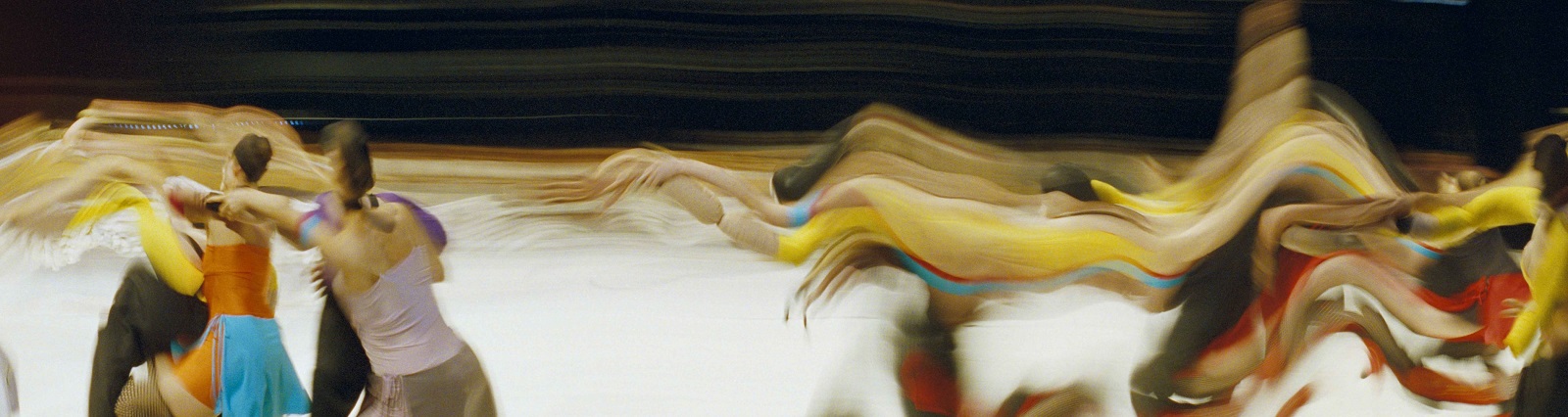
The central motive of the exhibition is cinegraphy – a specific procedure that Sarić developed in the late 1990s by using a 35-mm synchronous-rotational SRF 360 camera. In contrast to classic photography, which isolates a single moment, cinegraphy uses movement to synthesise time and space, resulting in fascinating, wavy structures reminiscent of images of the subconscious and the world of dreams, creating a visual flow similar to film stock. The exhibition places special emphasis on the cycle titled Karlo Drašković’s Passage, in which Sarić references one of the most important photographs in the history of Croatian art – Jump of Stjepan Erdödy from 1894. While in the 19th century Drašković searched for a way to ‘freeze’ movement, Sarić activates it by cinegraphy, turning it into blurry sketches of shifted reality. The exhibition will run until 1 August 2026.
Željko Sarić, graduate cinematographer and director, who has remained committed to experimentation throughout his career. His work includes a number of documentary and short films, and the cinegraphy cycles presented in Pula have also served as the starting point of his experimental films.
THE OFFICER WITH A ROSE - ŽARKO LAUŠEVIĆ
SERBIAN CULTURAL CENTRE
OPENING: 8 July 2026 at 9 p.m.
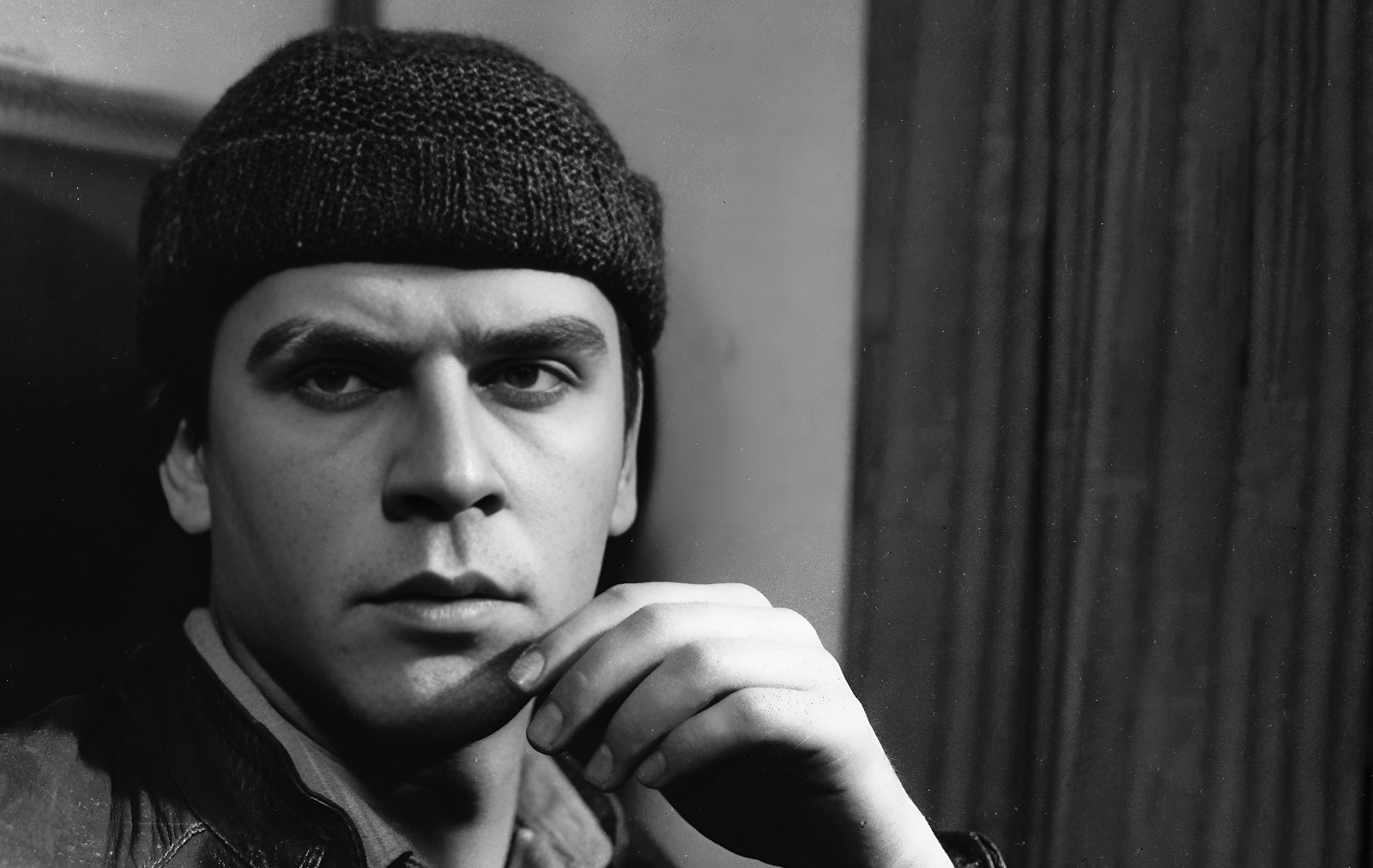
As part of the 73rd Pula Film Festival, the Serbian Cultural Centre presents an exhibition of film and theatre posters dedicated to the life and artistic legacy of Žarko Laušević, one of the most important actors of former Yugoslavia. With a selection of posters, photographs, and archival material, this exhibition brings a cross-section of his highly prolific career marked by notable roles in film, television, and theatre. The material presented bears witness to an artist of strong acting personality whose work left a deep imprint on the cultural history of the region. The exhibition also pays homage to Laušević’s work and his lasting contribution to film and theatre art.
Žarko Laušević (Cetinje, 1960 – Belgrade, 2023) was a Montenegrin and Serbian theatre, film, and television actor, one of the most distinguished actors of former Yugoslavia. He graduated in acting from the Faculty of Dramatic Arts in Belgrade in 1982 and joined the Yugoslav Drama Theatre. He gained wide popularity with his role in the series The Grey Home (1984), and had notable roles in films The Officer with a Rose, The Battle of Kosovo, and Maternal Half-Brothers. He won the Golden Arena for Best Actor at the 1987 Pula Film Festival for his role in the film The Officer with a Rose.
CINEMANIAC > THINK FILM 2026
NOVO GALLERY
OPENING: 10 July 2026 at 9 p.m.
CHOREOGRAPHY OF VIOLENCE: COUNTER-IMAGES
Jelena Jureša, Jean-Luc Godard, Nebojša Slijepčević
Curated by: Branka Benčić, Director of the Museum of Modern and Contemporary Art Rijeka
Organisers: Museum of Modern and Contemporary Art Rijeka, Metamedij Association, Apoteka – Space for Contemporary Art
Partner: KASK – School of Art Ghent
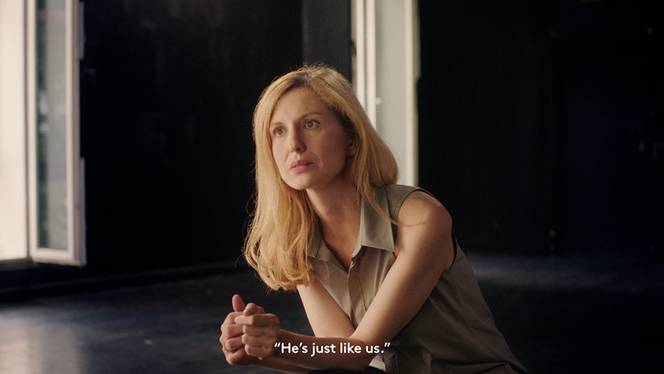
Over the last quarter of a century, CINEMANIAC > THINK FILM has been the international exhibition and research platform that challenges the connections among film, moving images, and contemporary art as part of the side programme of Pula Film Festival. The project operates within an interdisciplinary space where contemporary practices of audiovisual culture and art intersect, and is dedicated to systematic consideration of the tools, methodologies and media practices of contemporary artistic and curatorial work, in working with moving images, projector images, their interactions, and the ways to explore, contextualise, present, and receive them, creating active interaction of social and cultural fields.
Realised in cooperation with the Museum of Modern and Contemporary Art Rijeka, the exhibition Choreography of Violence: Counter Images is the 25th edition of the Cinemaniac > Think Film side programme, which uses the language of moving images and audiovisual works by artists to explore the complex relationships between collective memory and political accountability, and challenges the ways in which history is reflected and reproduced in modern society. Choreography of Violence comes about as an extended dialogue with Jelena Jureša’s solo exhibition of the same name displayed at the Museum of Modern and Contemporary Art Rijeka at the end of last year, and includes works by Nebojša Slijepčević and Jean-Luc Godard, in which art finds an opportunity to actively work towards a more just social and political future. These works confront us with historical truth and historical silence, and point to the potential of art to speak about the suppressed, forgotten, and unspeakable; exposing the social and collective ‘memory of history’ to establish a future horizon against oblivion.