HOMMAGE TO NIKOLA TANHOFER
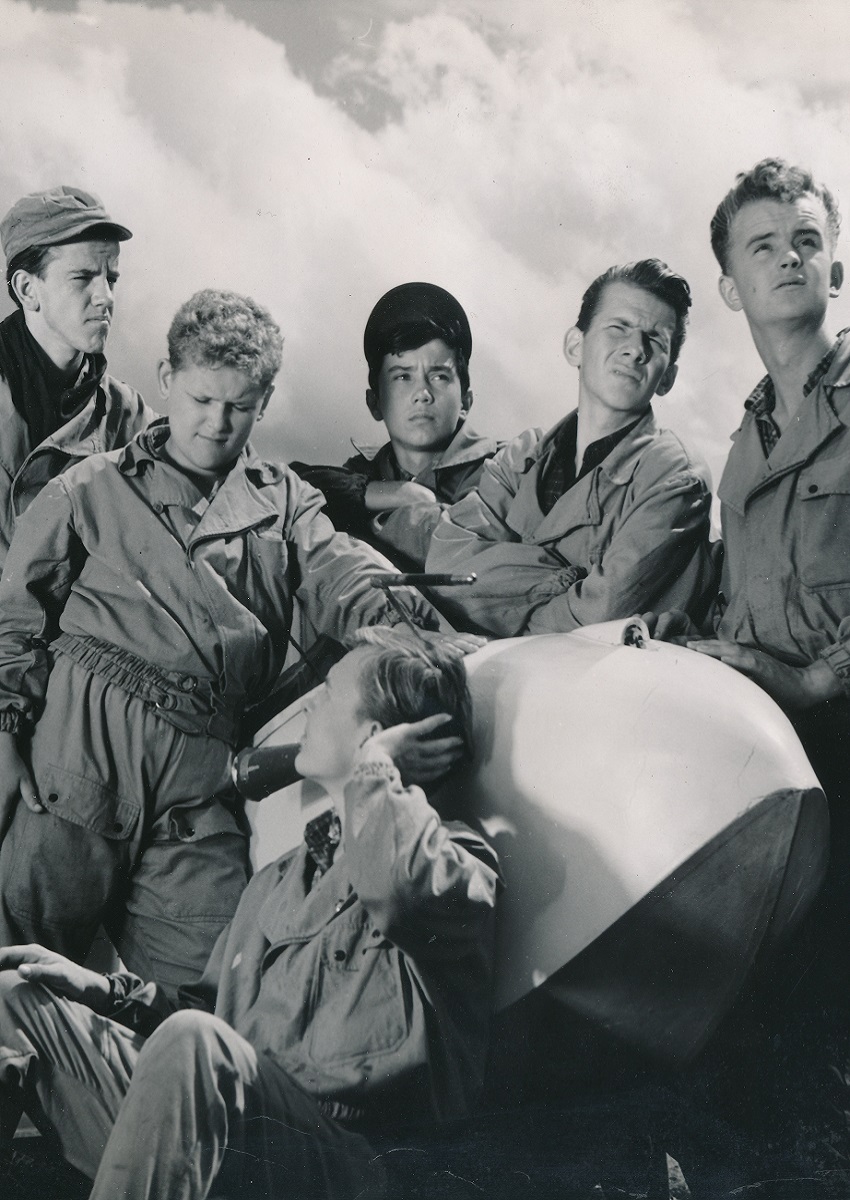
Nikola Tanhofer (Sesvete, 1926 – Zagreb, 1998) was a Croatian director, cinematographer, screenwriter, and university professor, widely recognized as one of the pivotal innovators and educators in Croatian cinema. His filmmaking career began in 1943 at the Romanija film club. Following high school, he worked as a laboratory assistant, sound technician, and newsreel cinematographer, while simultaneously studying Art History at the Faculty of Humanities and Social Sciences in Zagreb. At just twenty-two years old, Tanhofer shot his first feature film The Flag (dir. B. Marjanović, 1949). The film garnered acclaim for its world-class cinematography, showcasing a highly innovative approach to lighting, framing, and overall visual composition. As a director of photography, he subsequently served as cinematographer on six additional feature films and 25 short films. He refined his command of visual continuity and special effects using miniatures in Blue 9 (dir. K. Golik, 1950), while in The Blue Seagull (dir. B. Bauer, 1953), he became the first in the country to successfully implement rear projection and complex maritime special effects. His masterful camerawork was also evident in Branko Marjanović’s Ciguli Miguli (1952) and The Siege (1956), the anthology film The Key (1965), and his own directorial project Indian Summer (1970), where he explored the expressive possibilities of colour, solidifying his sophisticated visual culture.
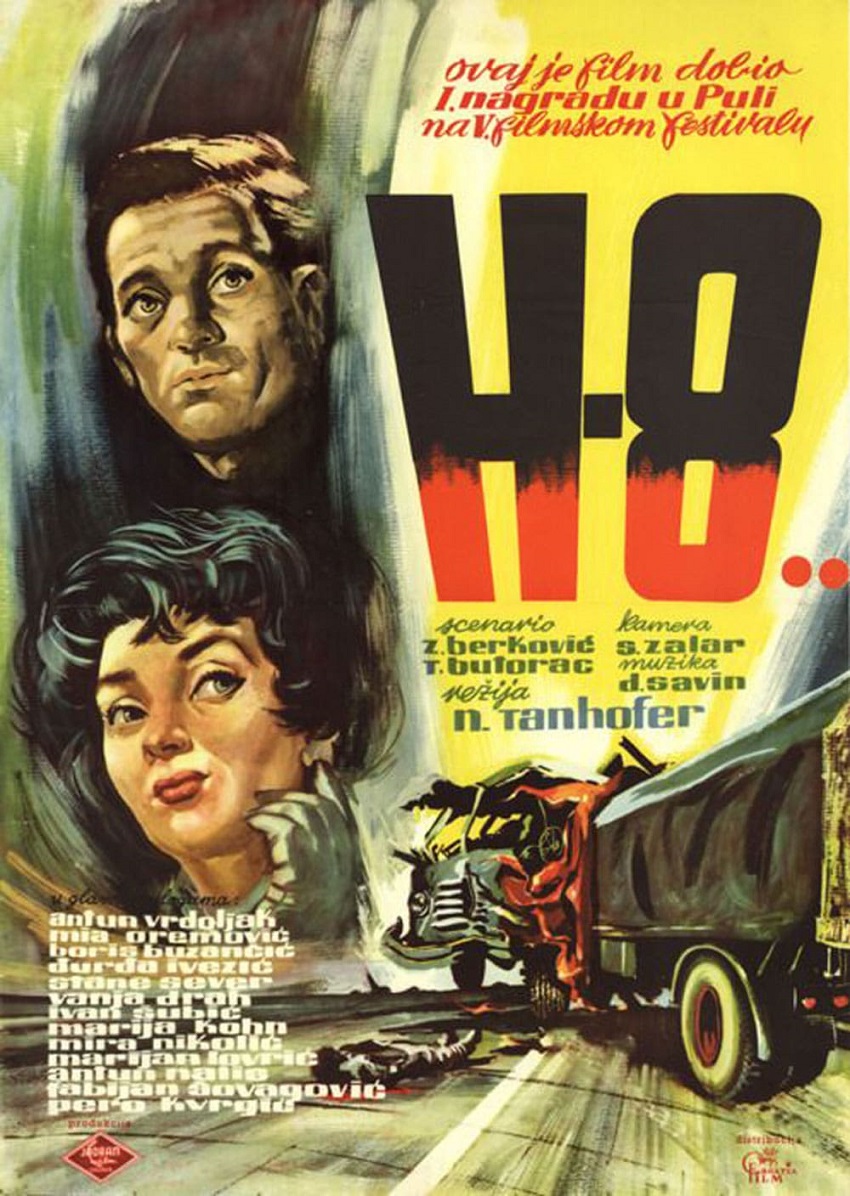
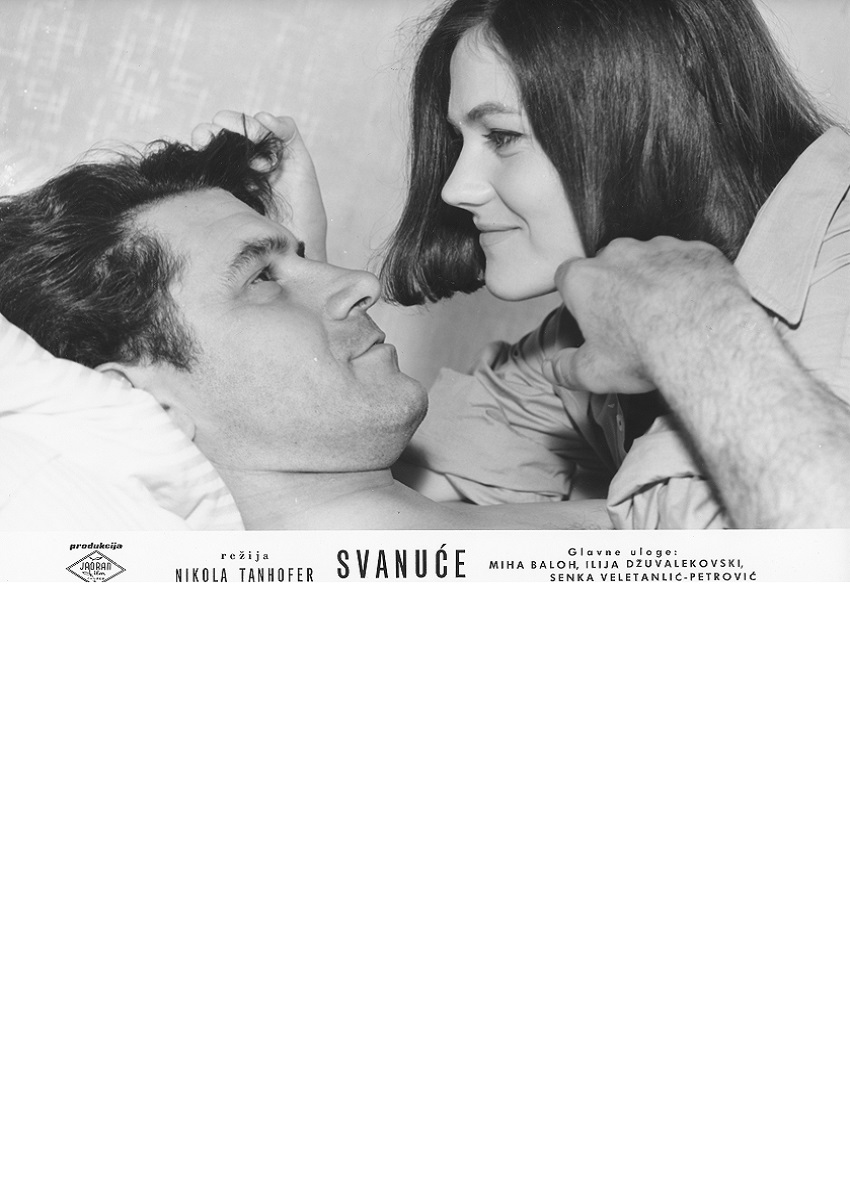
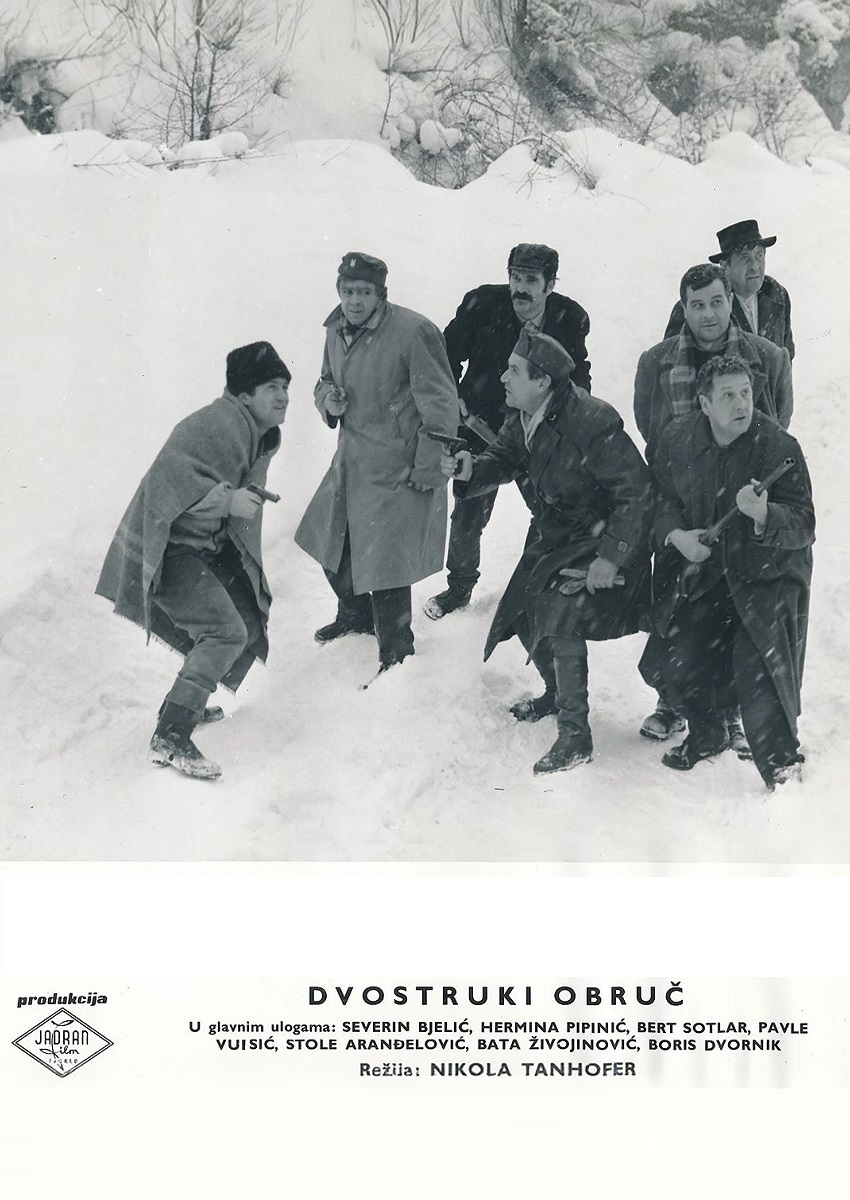
As a director, he made his debut with the masterpiece H-8… (1958), in which – despite the fact that Slavko Zalar was behind the camera – Tanhofer’s distinctive visual authorship is strongly felt through studio work with miniatures and laboratory interventions. He continued his visual and optical experiments in the films Happiness comes at 9 (1961) and The Sunrise (1964), where he dynamically changed the aspect ratio of the film format.
In 1969, at the Academy of Dramatic Art, he founded the Film and Television Cinematography programme, educating generations of cinematographers. He was the first president of the Croatian Society of Cinematographers (1996) and the author of the seminal books Filmska fotografija (1981) and O boji na filmu i srodnim medijima (2000). For his artistic work, he was awarded the Vladimir Nazor Lifetime Achievement Award (1986) and decorated with the Order of Danica Hrvatska bearing the image of Marko Marulić.
All films were restored by the Croatian Cinematheque of the Croatian State Archives, with the support of the Croatian Audiovisual Centre.
FEATURE FILMS
HOMMAGE TO VLASTA LAH
Vlasta Giulia Lah Rocchi (Pula, 1913–Buenos Aires, 1978) was an Argentine film director of Croatian descent and one of the pioneers of Latin American cinema. She spent her childhood in Pula and moved to Rome with her sister Neva in the early 1930s, where she first studied acting and later film directing at the Centro Sperimentale di Cinematografia.
In 1938, she relocated to Argentina, where she began working at the Estudios San Miguel studio. During the 1940s, she worked as an assistant director on numerous film productions, and in 1953 she was appointed director of Argentina’s first film school, the Higher School of Cinematic Arts. Following political changes in the mid-1950s, she worked as a screenwriter, translator, and creator of advertising films.
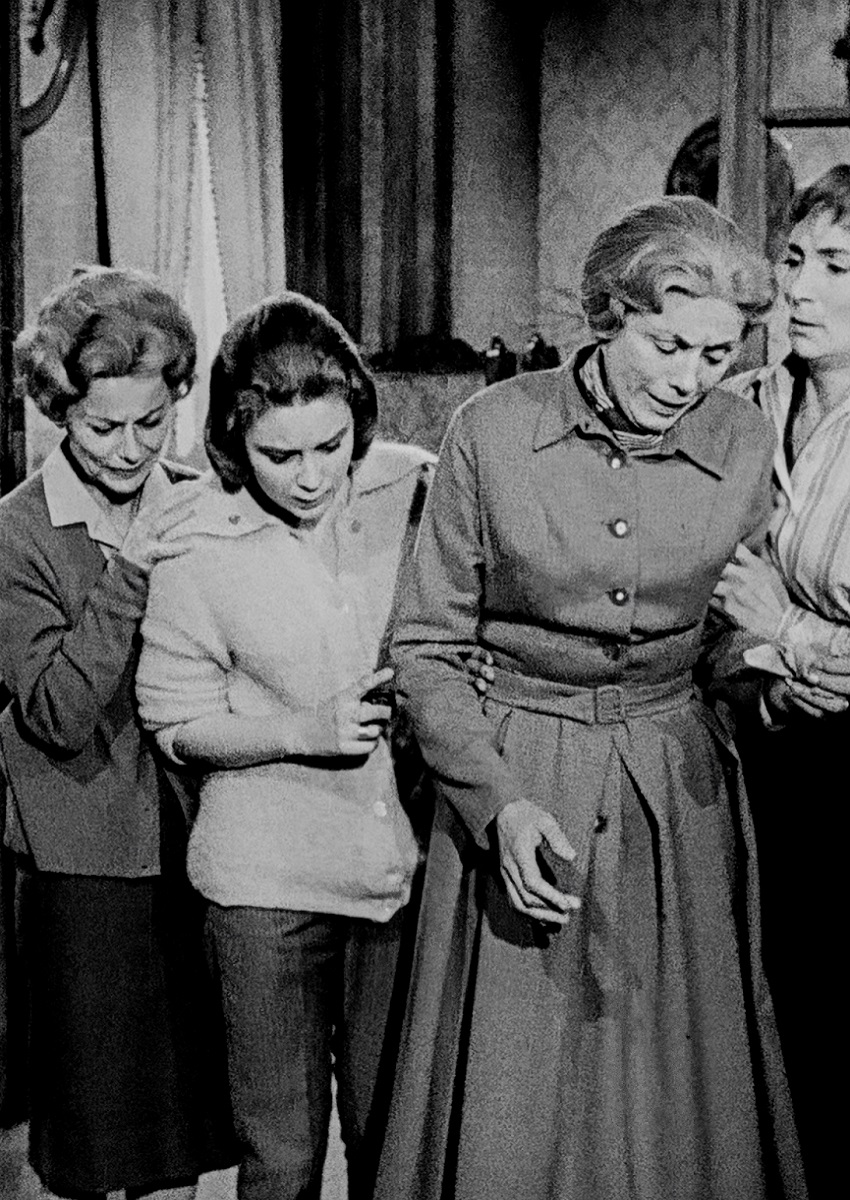
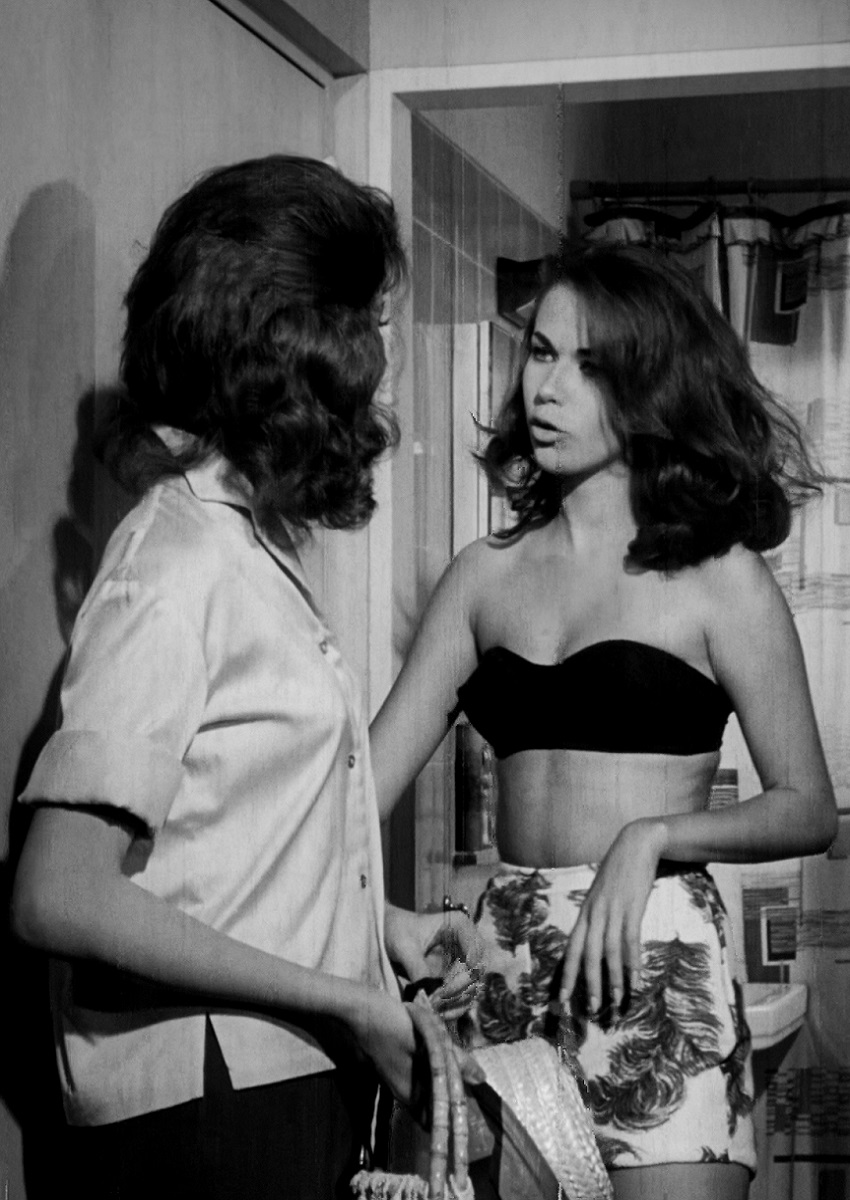
She is remembered as the first woman to direct an Argentine feature-length sound film. Her feature debut, The Furies (1960), is today considered one of the significant works of Argentine cinema, while her film The Models (1963) is recognized for its distinct female and feminist perspective, which was rare in Latin American film production at the time.
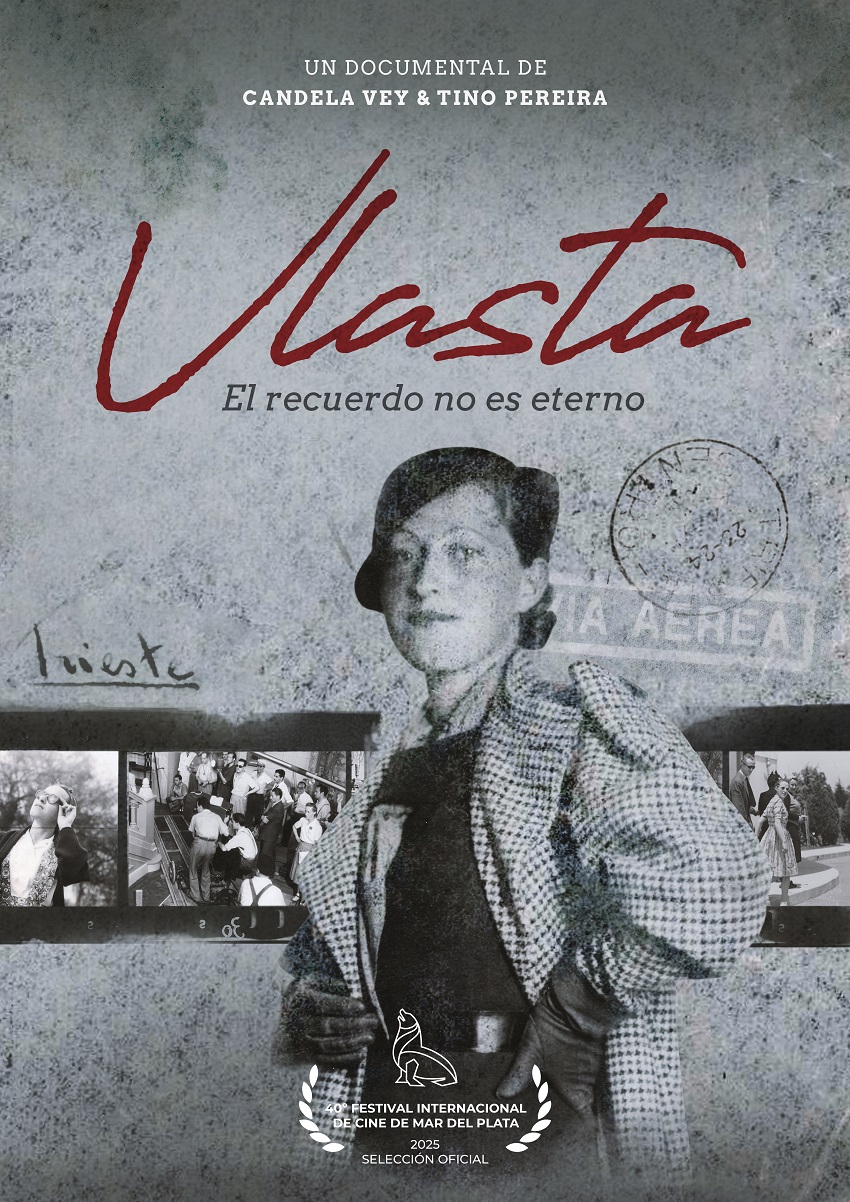
After decades of neglect, her oeuvre was rediscovered and reassessed in the 21st century. The book Por ser mujer: La biografía de Vlasta Lah, written by Candela Vey and Martín Miguel Pereira, was published in 2023, which served as the basis for the documentary film Vlasta, The Memory Is Not Everlasting, which premiered at the Mar del Plata International Film Festival in 2025.