Pula Gearing Up for Its 73rd Edition: Tanhofer Retrospective, European Film Hits and Beloved Pulica
Pula is already in festival mood, and ahead of the 73rd Pula Film Festival, the city is full of various programmes dedicated to film: workshops and films for the youngest ones, film retrospective on the occasion of the centenary of Nikola Tanhofer’s birth, screenings of new European film hits at Valli Cinema, and exhibitions across the city. Here is an overview of the events announcing yet another edition of the Festival. Admission to all events is free
“It is with great excitement that we anticipate the first film programmes of the 73rd Pula Film Festival. I am especially pleased that Valli Cinema is kicking off he festival atmosphere that will fill the Arena and the whole city during the main festival week. Valli Cinema is one of the most important places of our city’s cultural life, a space where almost 365 days a year we come into contact with film and it diversity. We see the first steps of the youngest members of the audience, who are just discovering the magic of the big screen, but we also welcome the most dedicated, experienced cinemagoers, who approach film with great knowledge, passion, and critical thinking. It is this diversity of the audience that gives meaning to everything we do and gives power to the cinema as a place of meeting other people, dialogue, and shared film experience. This year’s introduction to the Festival brings three programmes at our Valli Cinema that kick off the festival period. The first one is an homage to one of the greats of Croatian cinema, Nikola Tanhofer. The Greater Adria programme brings new, awarded European films that the local audience will have a chance to see as premieres even before the reruns in the main festival week, but also before their regular distribution. And then there is Pulica, the programme for children and families, which will entertain us, take us on a journey to European and neighbouring countries, and remind us of the values such as family, friendship, and community, but also of the challenges of today’s time,” said Nataša Šimunov, Valli Cinema manager.
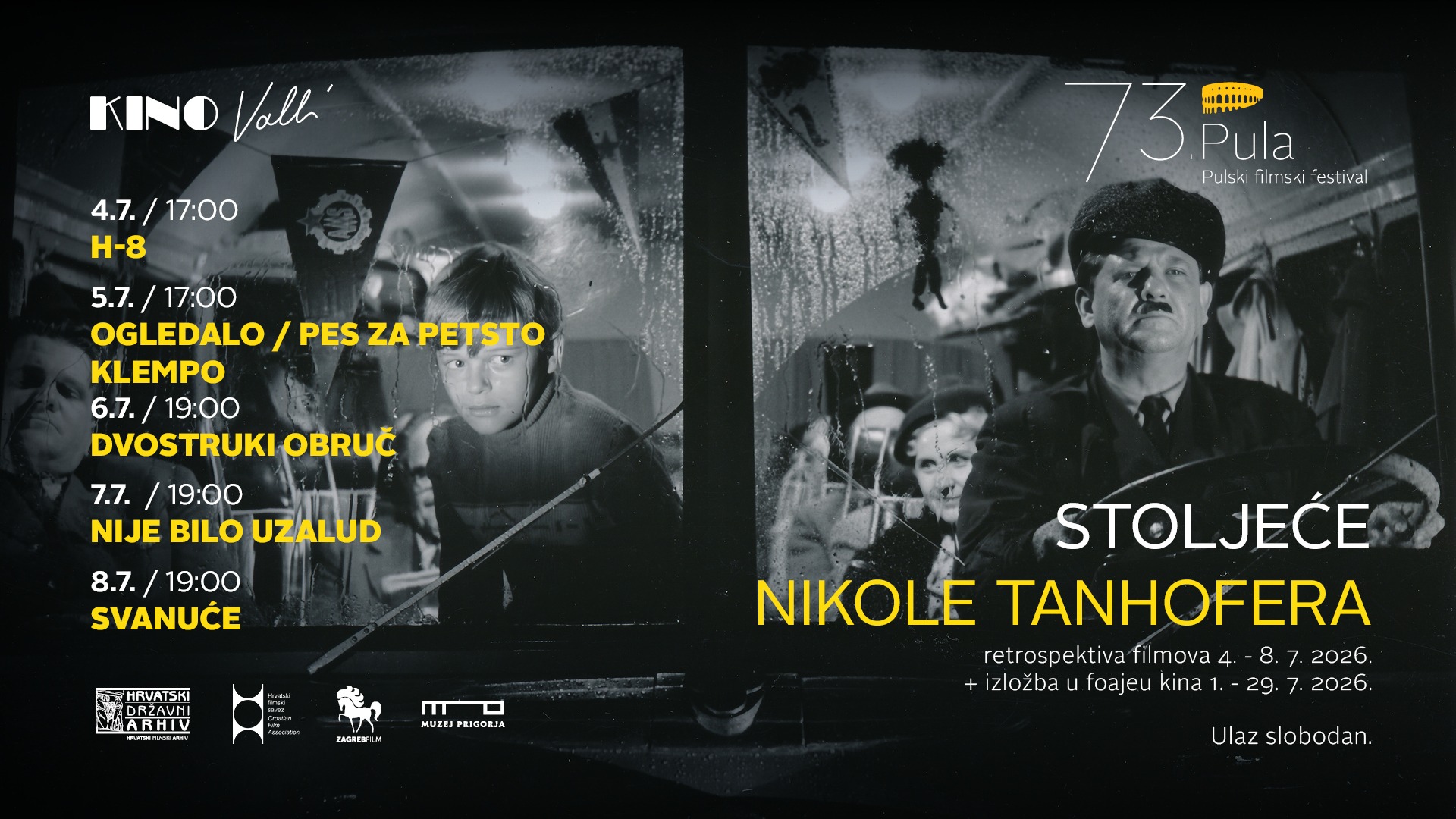
Nikola Tanhofer retrospective and exhibition at Valli Cinema
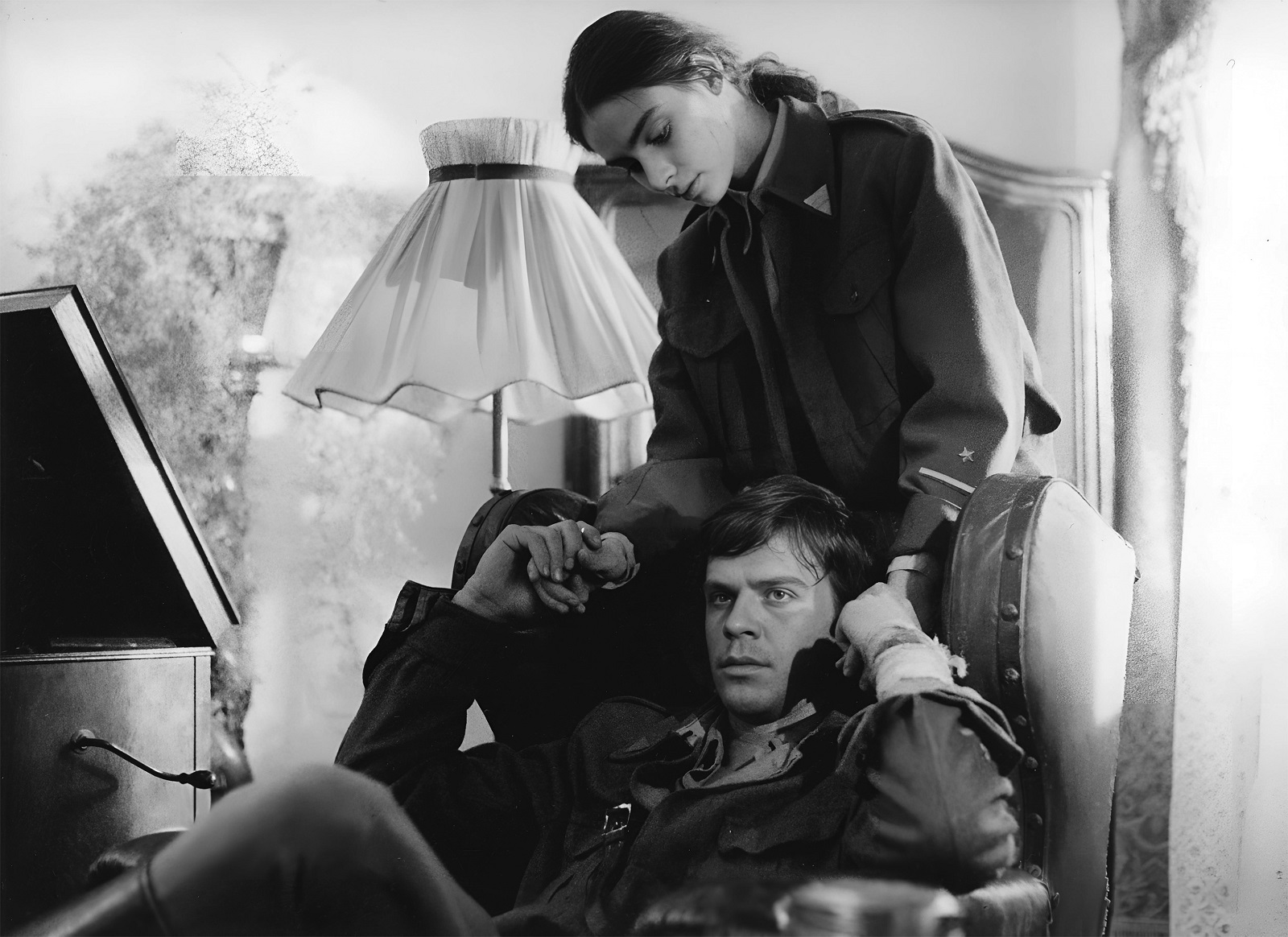
To mark the 100th anniversary of the birth of Nikola Tanhofer, one of the most significant authors of Croatian film, Pula Film Festival, in cooperation with the Prigorje Museum and Croatian Film Association, is preparing a retrospective of his films, and an exhibition. The exhibition A Century of Nikola Tanhofer – Homage to the Total Filmmaker will be opened at the Valli Cinema foyer, offering several thematic sections to show the creative path of the director, cinematographer, and professor who Zvonimir Berković called the ‘tireless film decathlete’. The exhibition centres around the cult film H-8… from 1958, the film by which Tanhofer is most widely remembered, and which will be screened this summer at Valli Cinema. From 4 to 8 July, the audience will also have the chance to see the films It Was Not in Vain, Double Circle, and Svanuće, the medium-length film Klempo, and a selection of short films by other directors that have been profoundly marked by Tanhofer’s cinematography. Cinematographer and director Silvestar Kobas and film critic Diana Nenadić conceived the exhibition and the side programme, with design support from Tomislav Mrčić.
Exhibitions in Pula – Film, heritage and contemporary image
Along with the exhibition about Nikola Tanhofer, this year’s Pula Film Festival will offer another three exhibitions focusing on film heritage, photography, contemporary art, and a dedication to the acting oeuvre.
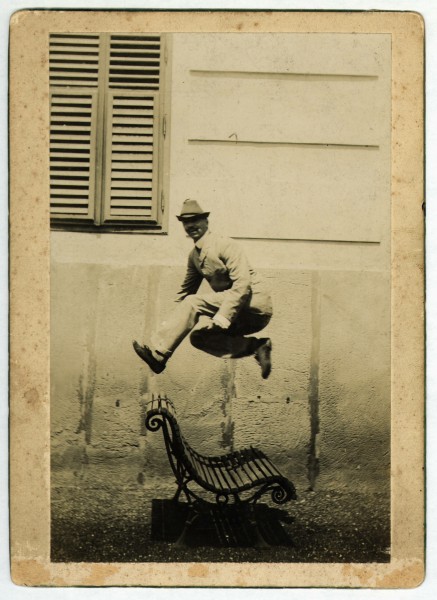
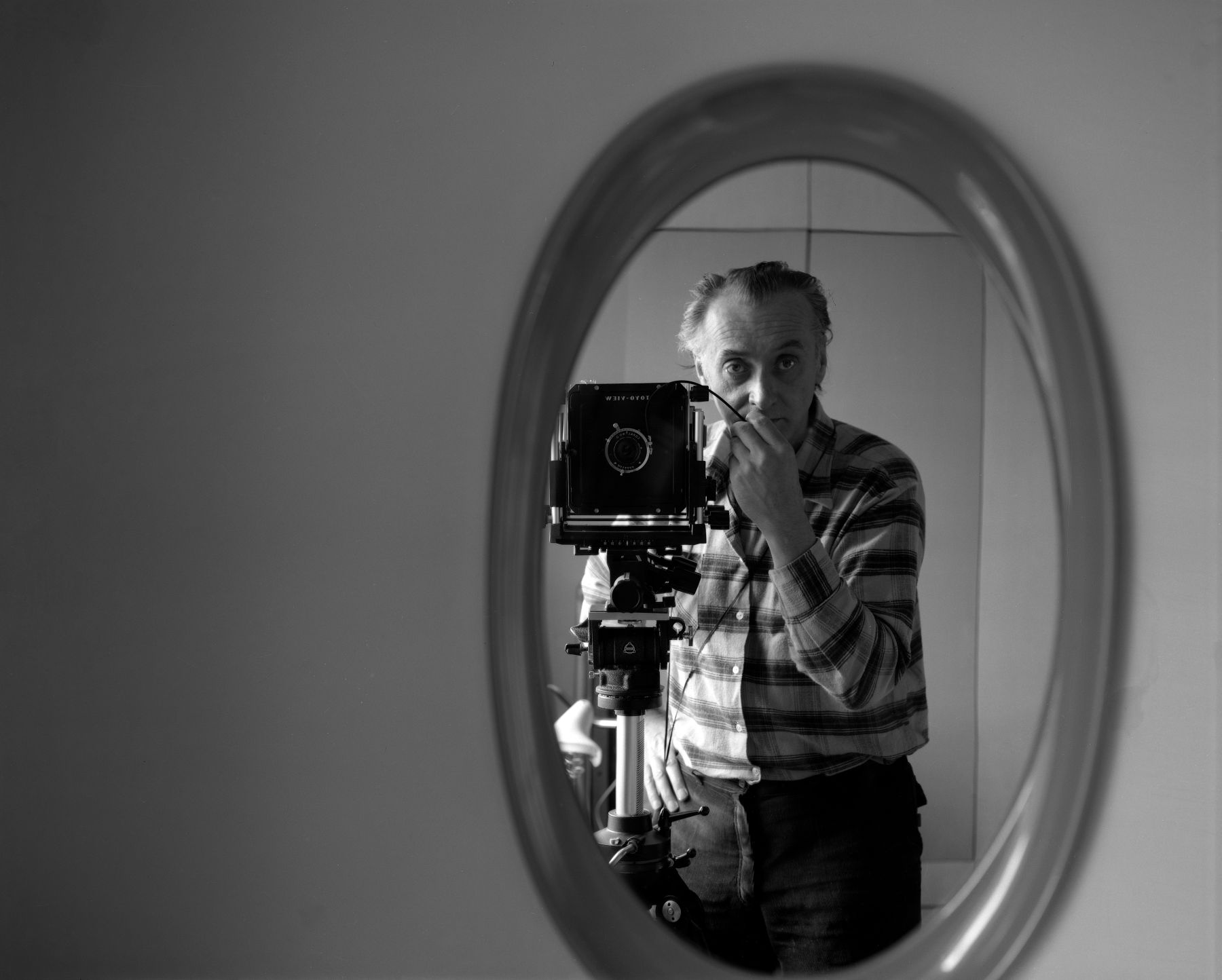
The exhibition Željko Sarić: Cinegraphy will open on 8 July at 8 p.m. at Makina Gallery, presenting the author’s experimental photographic process created in the late 1990s and the works that combine movement, time, and space into visual structures similar to film stock, with special emphasis on the cycle titled Karlo Drašković’s Passage. The exhibition The Officer with a Rose – Žarko Lušević will open on the same day at 9 p.m. at the Serbian Cultural Centre. The exhibition is dedicated to one of the most important actors of former Yugoslavia. The selection of posters, photographs, and archival material brings a cross section of his film and theatre work, and the role that brought him the Golden Arena at Pula Film Festival in 1987. The exhibition Cinemaniac > Think Film 2026 – Choreography of Violence: Counter Images, curated by Branka Benčić, will open on 10 July at 9.m. at Novo Gallery. Realised in cooperation with the Museum of Modern and Contemporary Art Rijeka, the exhibition brings together the works of Jelena Jureša, Nebojša Slijepčević, and Jean-Luc Godard, and explores the relationship between collective memory, violence, and political accountability using moving images and contemporary art. All exhibitions are part of the side programme of the 73rd Pula Film Festival and are open to visitors for the duration of the Festival in Pula.
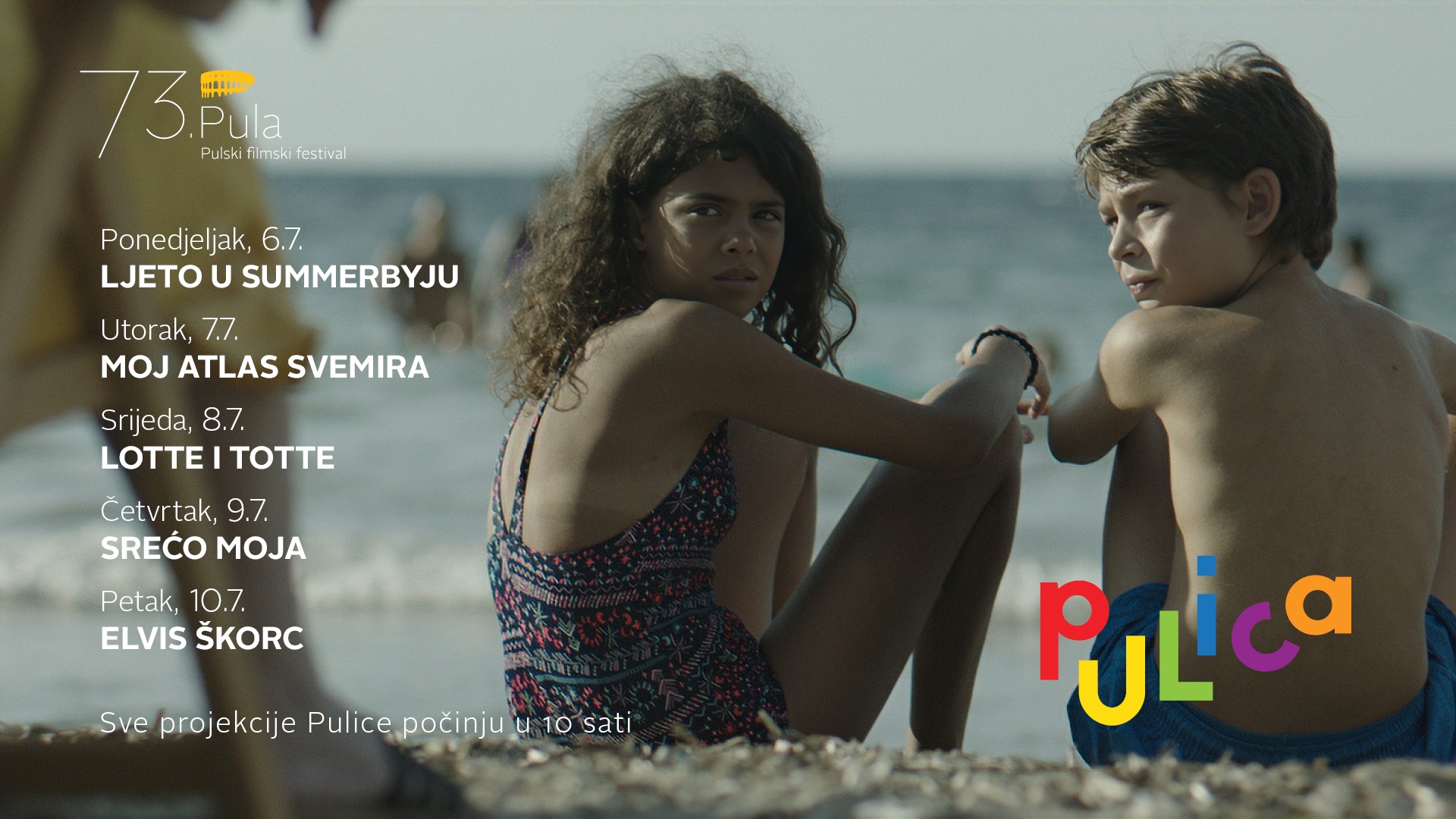
Pulica screening film adventures for the youngest audience
The beloved children’s programme, Pulica, brings five film mornings for children and families. Carefully selected European feature and animated films, with exciting stories about friendship, family, growing up, and courage, will lead the youngest audience into the world of film every day from 10 a.m., from 6 to 19 July at Valli Cinema. A Summer in Summerby is a German family film about three children who spend the summer with their grandmother, whom they have hardly met, following their mother’s accident. Their holidays, which they did not even want, turn into an unforgettable experience that changes the way they see family and growing up. The Romanian-Bulgarian family film Atlas of the Universe is a story about ten-year-old Filip who, after a mixup with buying shoes for school, decides to fix the mistake himself and his search grows into an unexpected city adventure and a story about resourcefulness and independence. Lotte & Totte is a Danish animated film about four-year-old Lotte who moves to the countryside and befriends the boy Totte, and their friendship, which teaches the importance of understanding and forgiveness. The Italian family drama Sweetheart is a story about Nico, a boy who spends his summer in Sicily with his great-aunt, and discovers a different view of the world and himself by living without technology, but with new friendships. The Slovenian family film Elvis Škorc, based on the popular novel by Janja Vidmar, is an emotional and funny story about a fourteen-year-old boy whose life radically changes when his parents get divorced and his mother falls pregnant.
Greater Adria – European hits you don’t want to miss
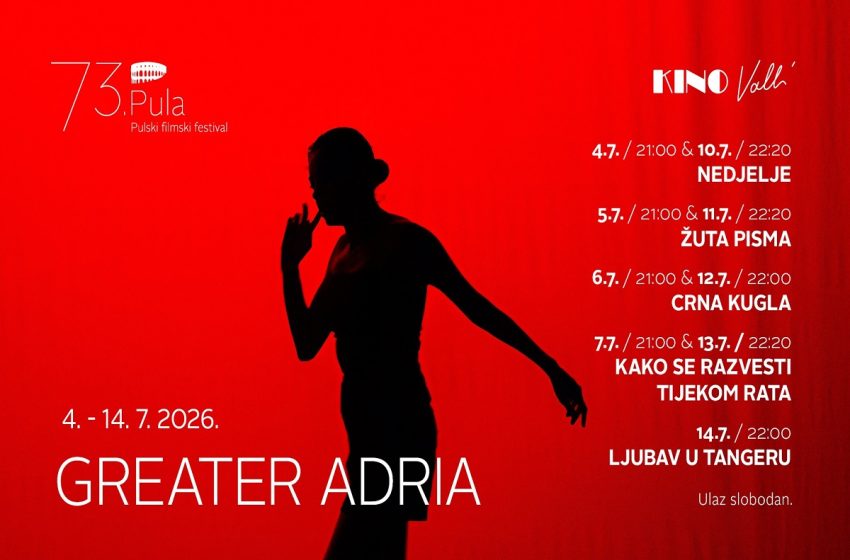
The Greater Adria programme brings a selection of new European and internationally awarded films that bring powerful stories about family, identity, social breakdown, and historical turmoil, and mark the current festival season. The programme is competitive, and the winning film will be presented with the Award of the Croatian Independent Cinemas Network – media promotion and guaranteed screenings within the Network in their first week of distribution. The cooperation with the Croatian Independent Cinema Network is aimed at strengthening the distribution of European and independent film in independent cinemas, and improving the cooperation between distributers and cinema exhibitors. Films in the Greater Adria programme will be screened from 4 to 14 July, with free admission.
The Black Ball, directed by Javier Calvo and Javier Ambrossi, is a period queer drama set across three timelines and follows the intertwining destinies of three young men in Spain. The film premiered at Cannes in 2026, and won the Best Director Prize (ex aequo). Lithuanian director Andrius Blaževičius brings the dark comedy drama How to Divorce During the War, set in 2022 Vilnius, where a personal decision on getting a divorce takes places just when Russia invaded Ukraine. The intimate story of the couple turns into a mirror of a collective crisis, and the film received the Best Director Award at Sundance Film Festival in 2026. Calle Málaga, directed by Maryam Touzani, is an emotional story of an elderly woman who refuses to sell her family’s home in the Spanish quarter of Tangier despite pressure from her daughter and financial difficulties. The film won the Audience Award and Award for Best Feature Film at festivals in Venice, Toronto, and Mar del Plata. The Spanish drama Sundays, directed by Alauda Ruiz de Azúa, is a story about seventeen-year-old Ainara, who decides to take the path of spiritual life despite her promising academic future. Her decision causes a deep family crisis and opens up questions of identity and freedom. The film won the Best Director, Best Leading Actress and Best Supporting Actress at the Goya Awards in 2026. The German-Turkish-French drama Yellow Letters, directed by İlker Çatak, is a story about an artist couple from Ankara, whose life comes crashing down after an incident at a theatre premiere, when they become targets of social and governmental persecution. This intense drama about freedom of expression and repression won the Golden Bear for Best Film at Berlin in 2026.
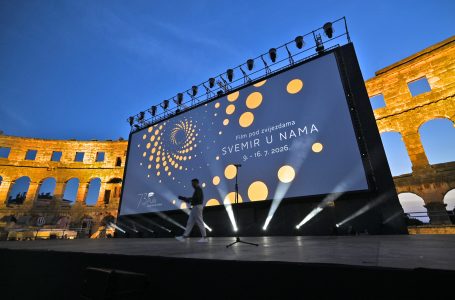
Pula Film Festival will open on 9 July at the Arena, and tickets for films evenings at the Arena are available online. Admission to all other Festival events, as well as the programme preceding the Festival, is free. The programme and schedule are available on the Festival website.