Ten Years of Research for a Story on Vlasta Lah: A Film That Gives Back the Name to a Pioneer
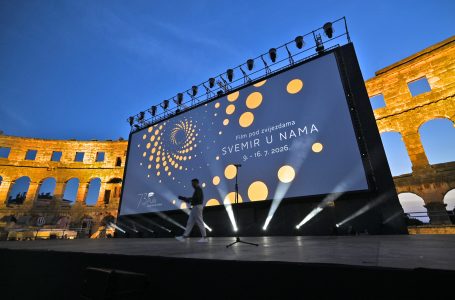
On Thursday, 16 July at the Istrian National Theatre, the documentary film Vlasta, Memory Is Not Everlasting (Vlasta, el recuerdo no es eterno, 2025) opened the Homage to Vlasta Lah Programme as part of the 73rd Pula Film Festival and brings an exclusive look into the filmmaking and life of the Latin American director born in Pula.
Vlasta Lah was born in Pula and was one of the most significant pioneers of Latin American cinema. She has left an indelible mark on the history of film as the first woman to direct an Argentine feature sound film, and today her work is being rediscovered and valued as an important contribution to world film heritage.
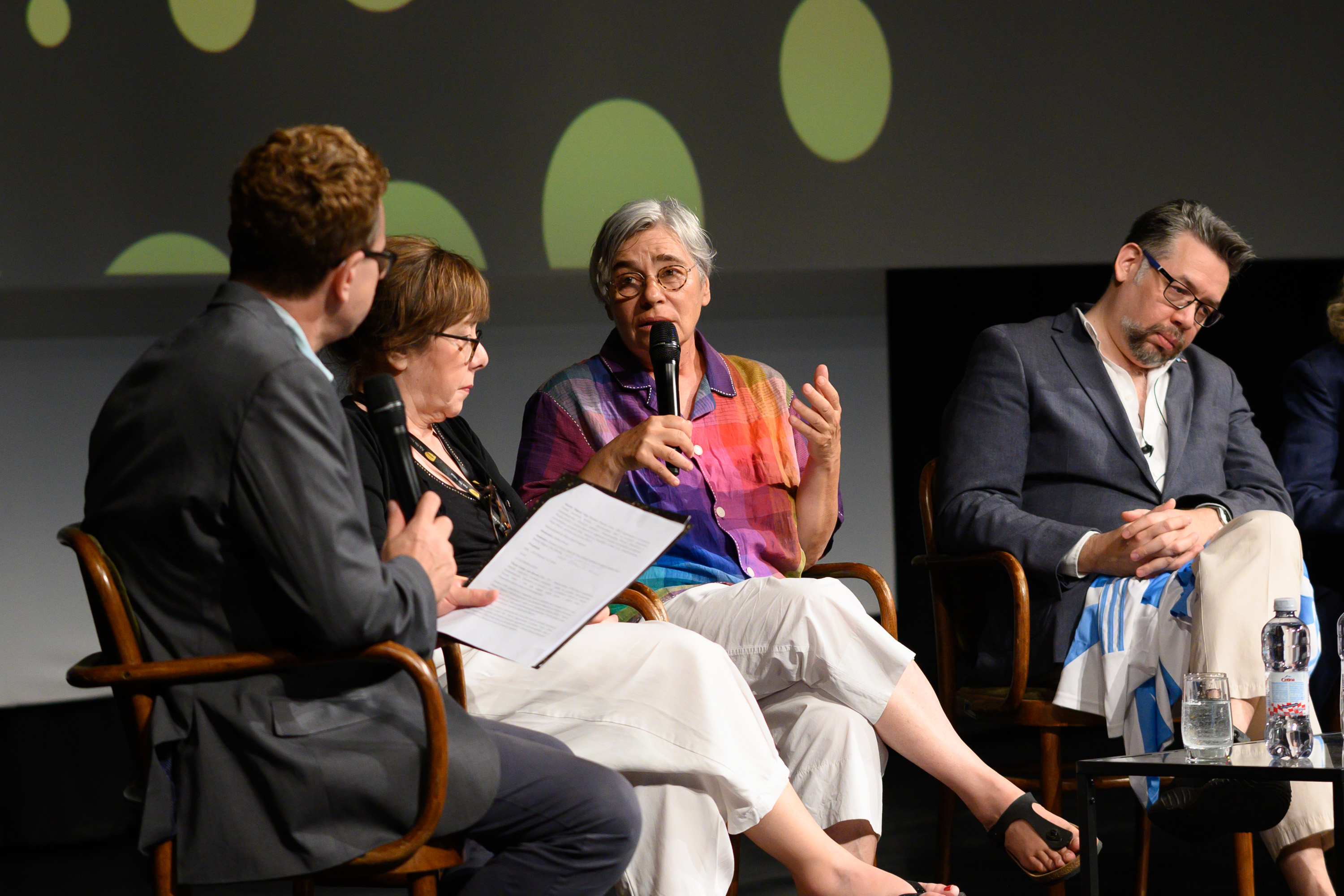
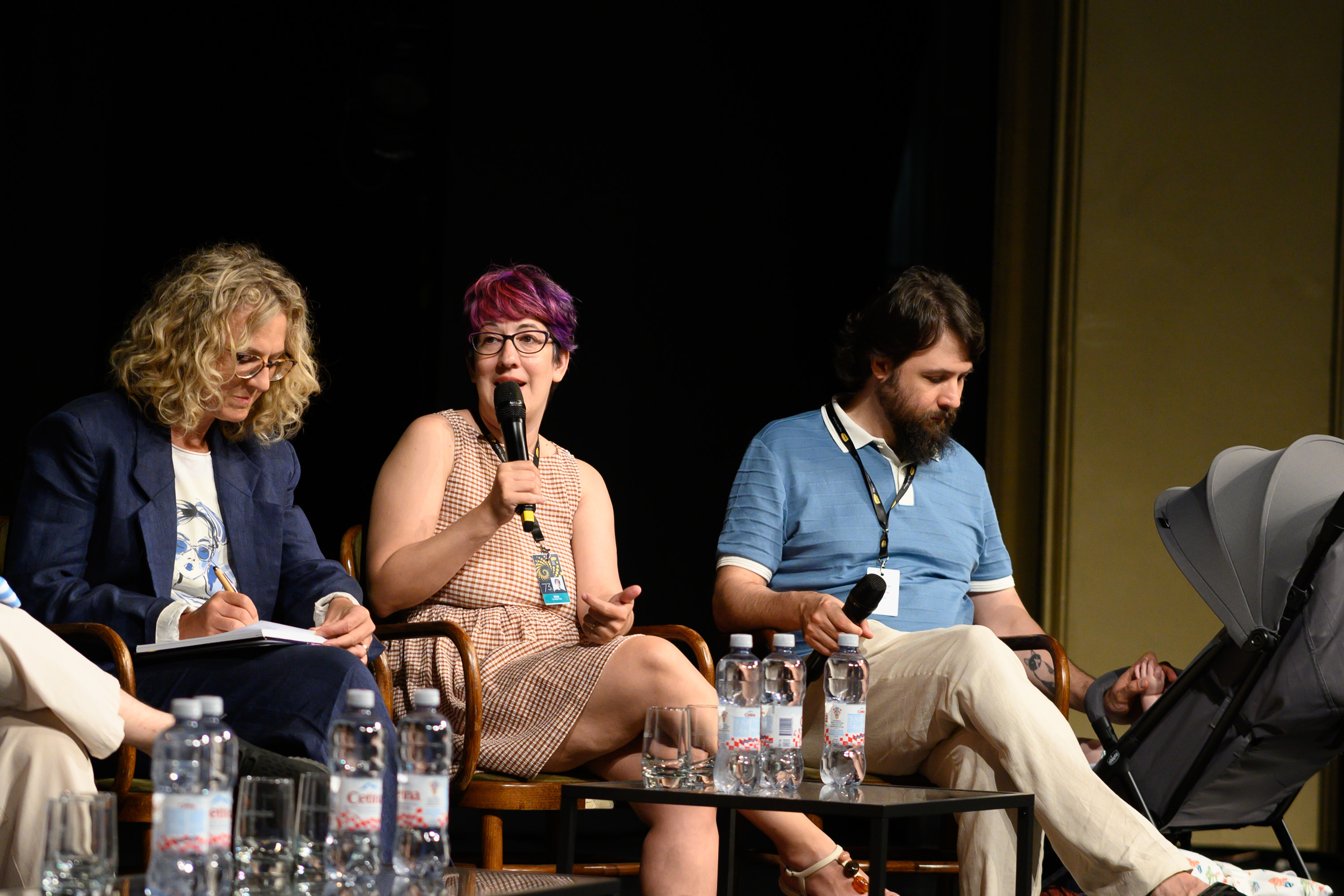
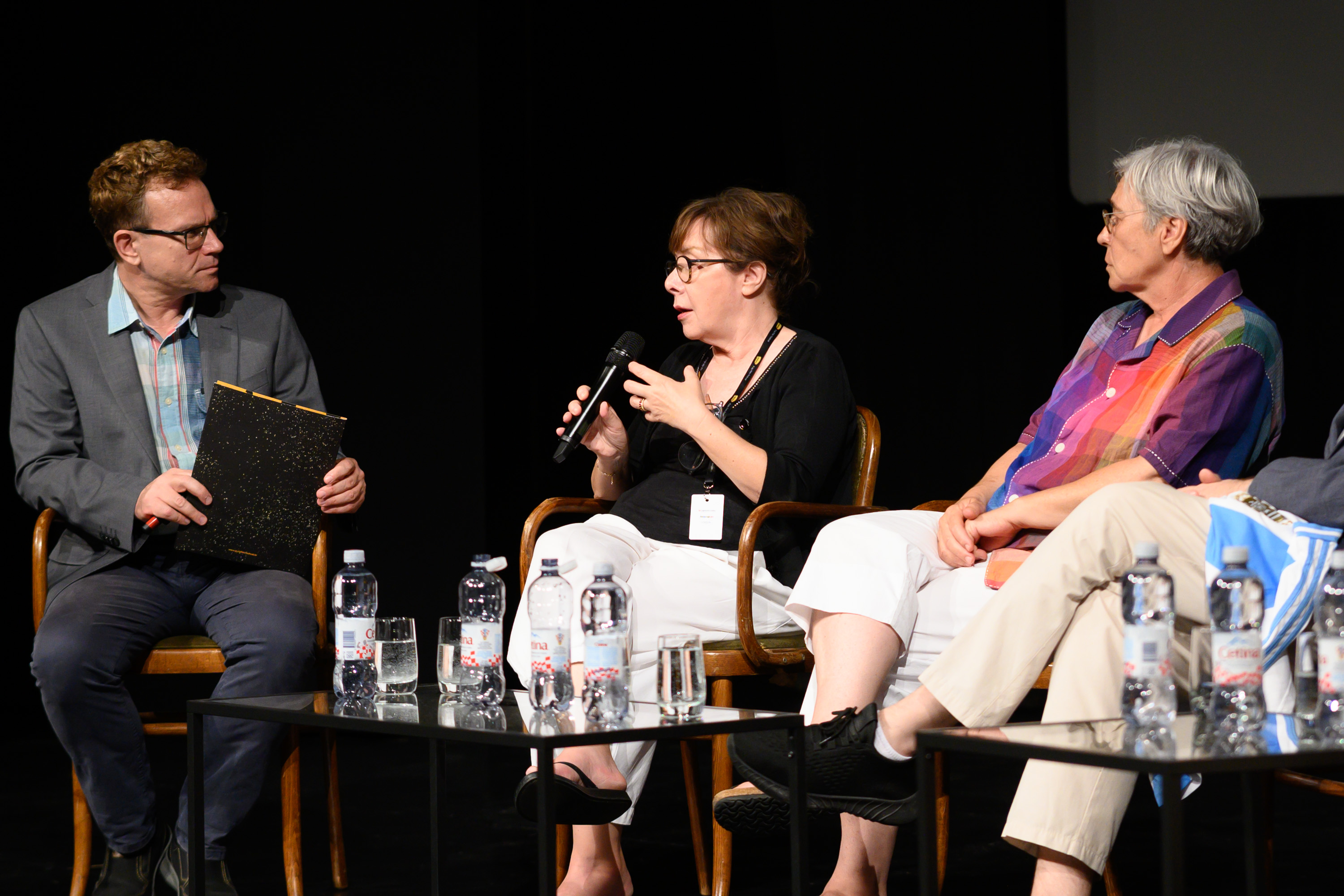
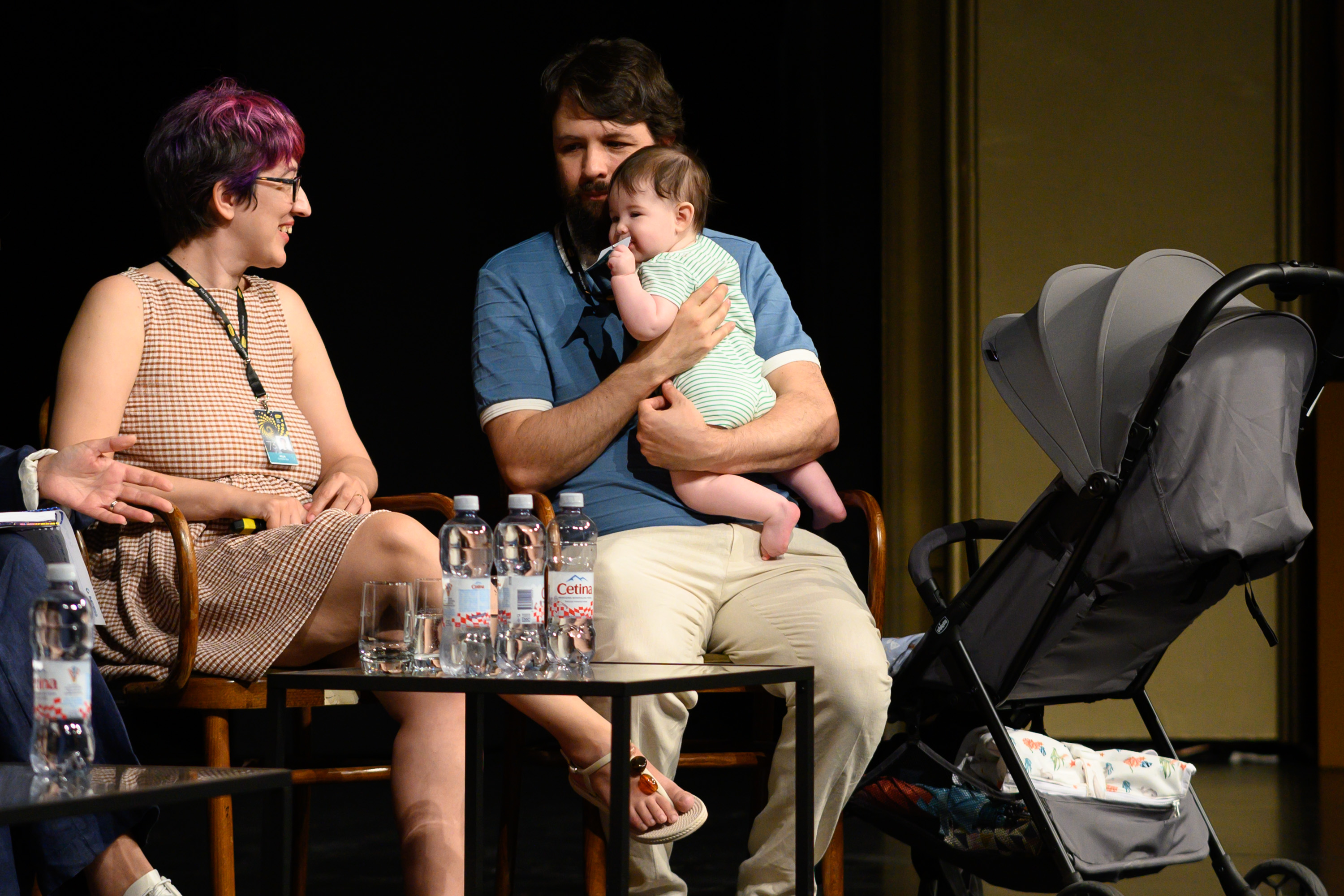
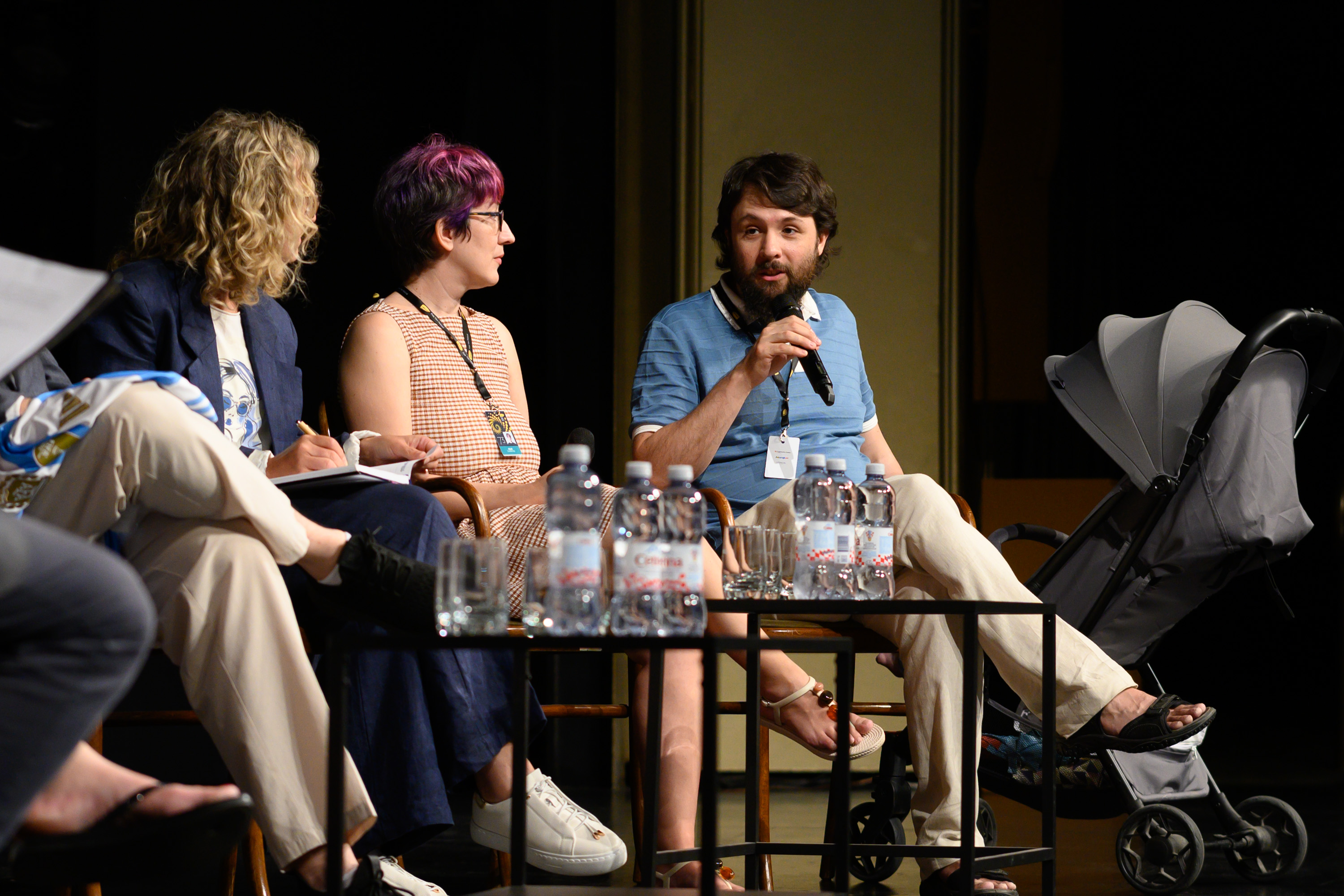
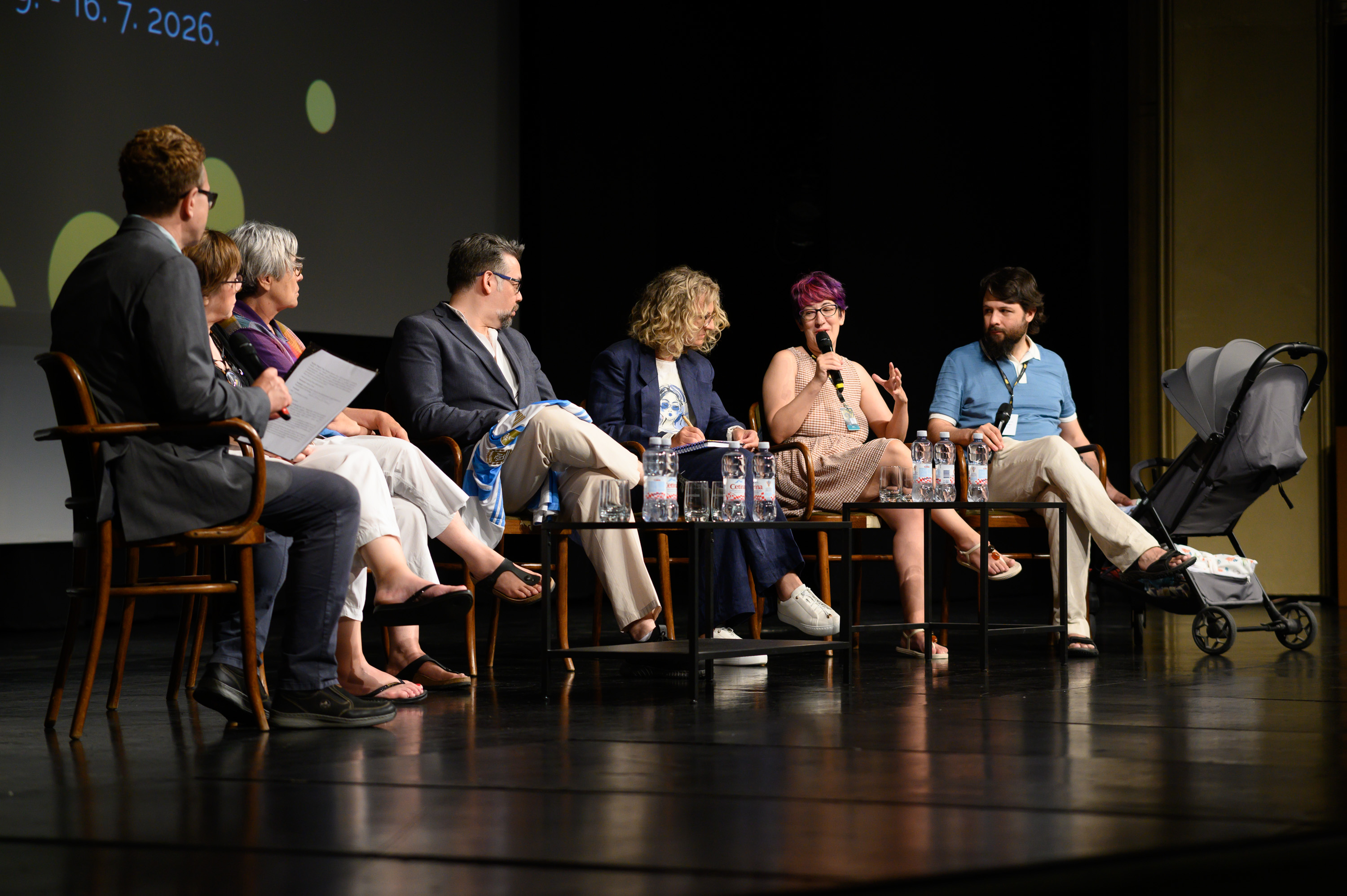
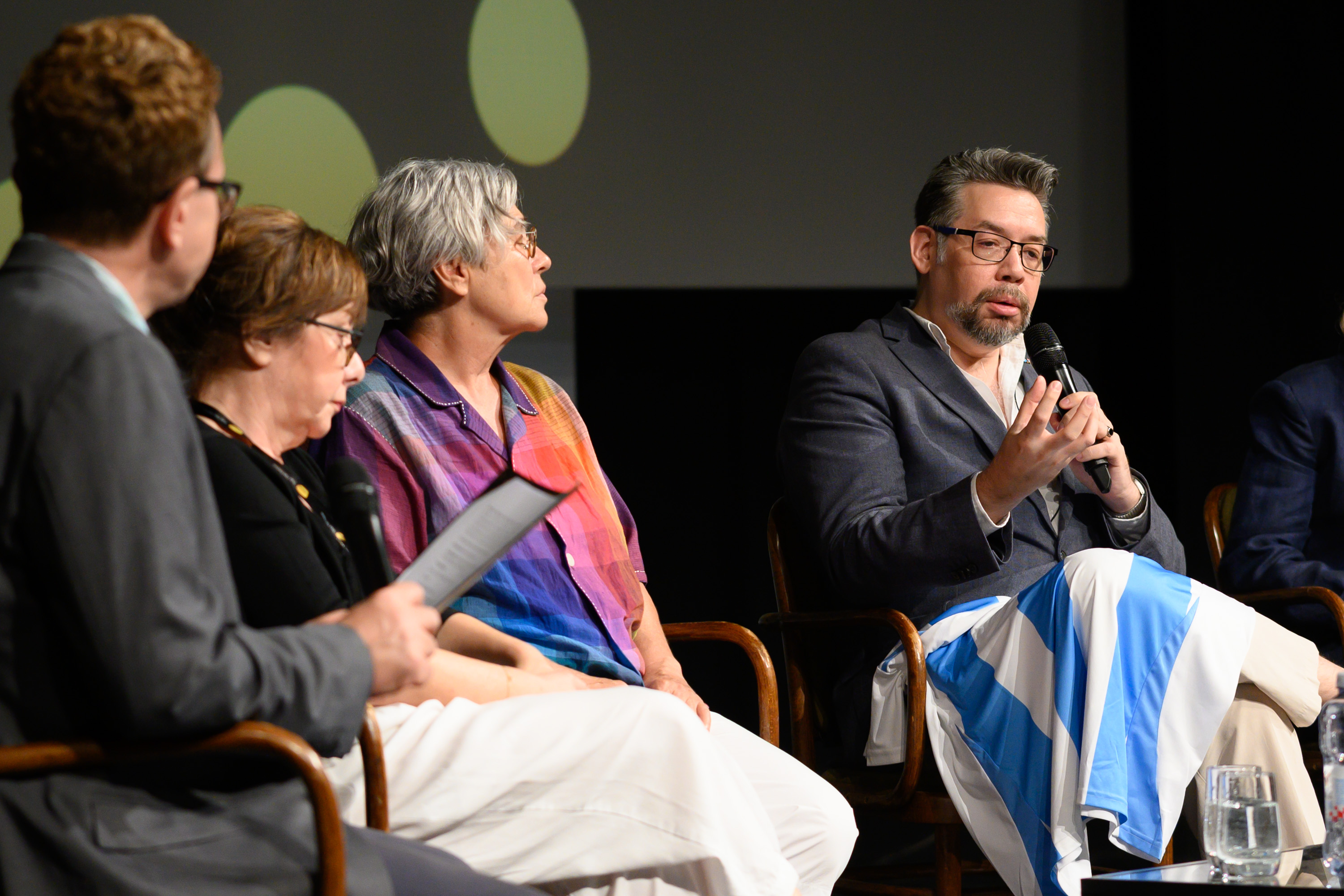
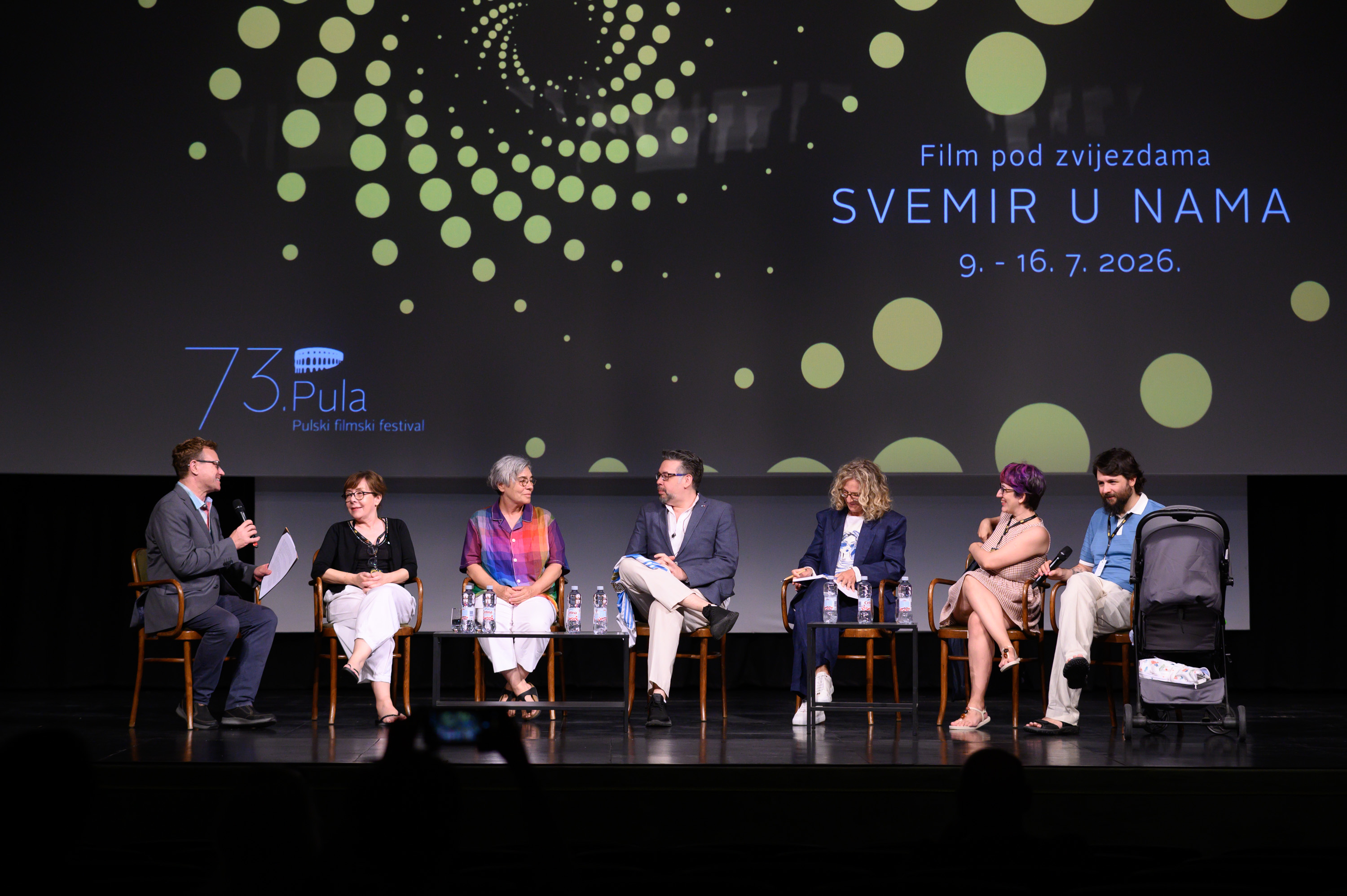
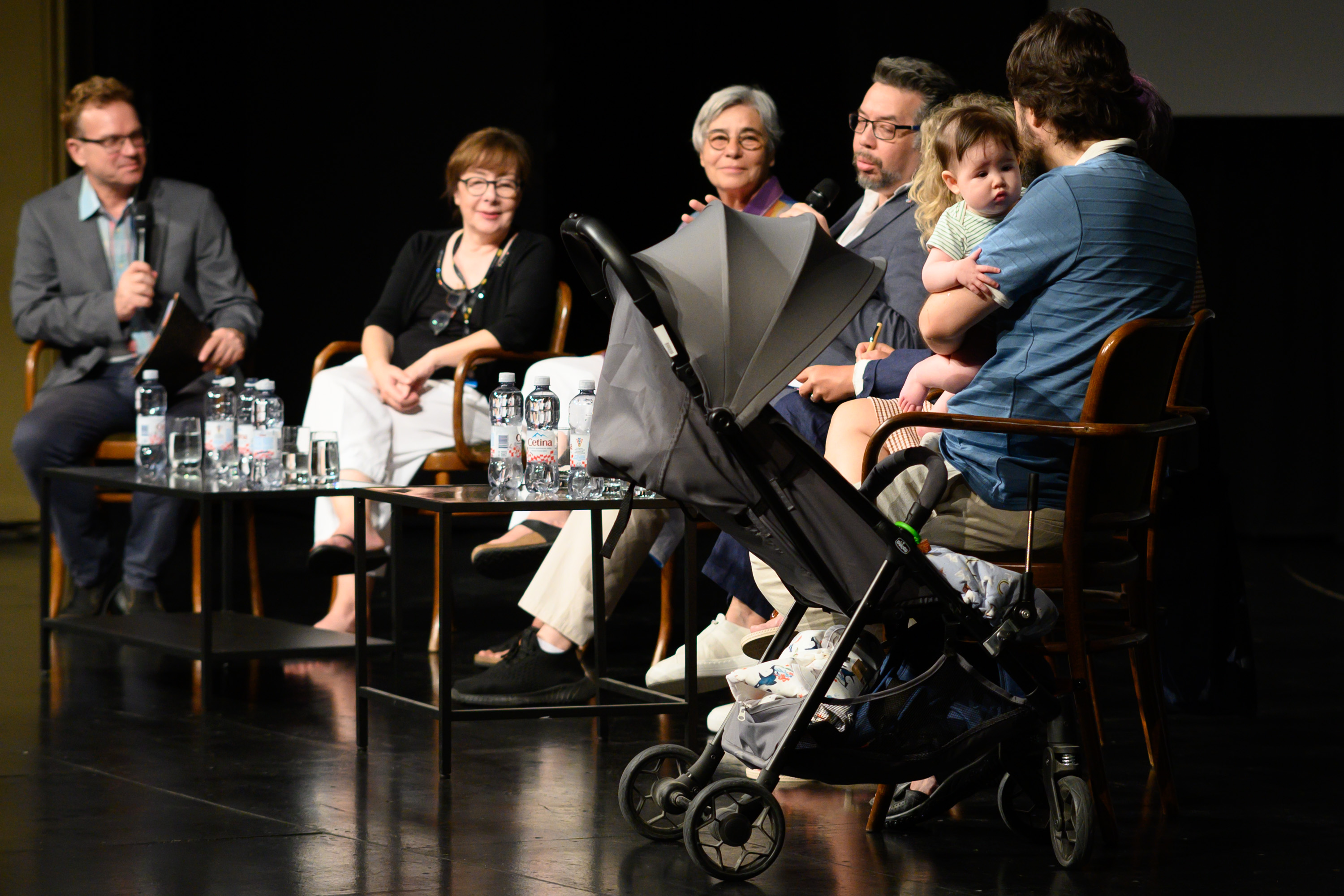
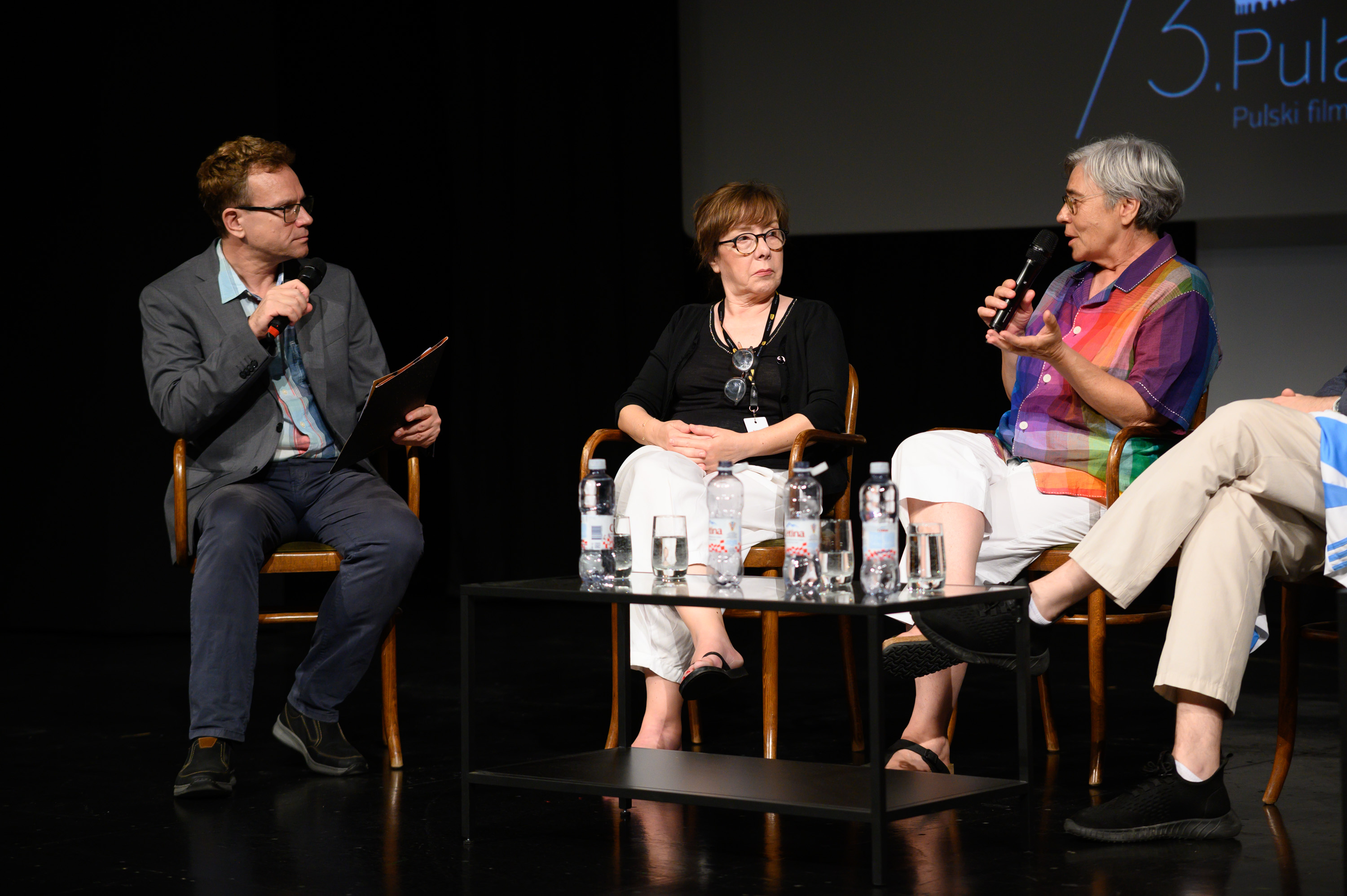
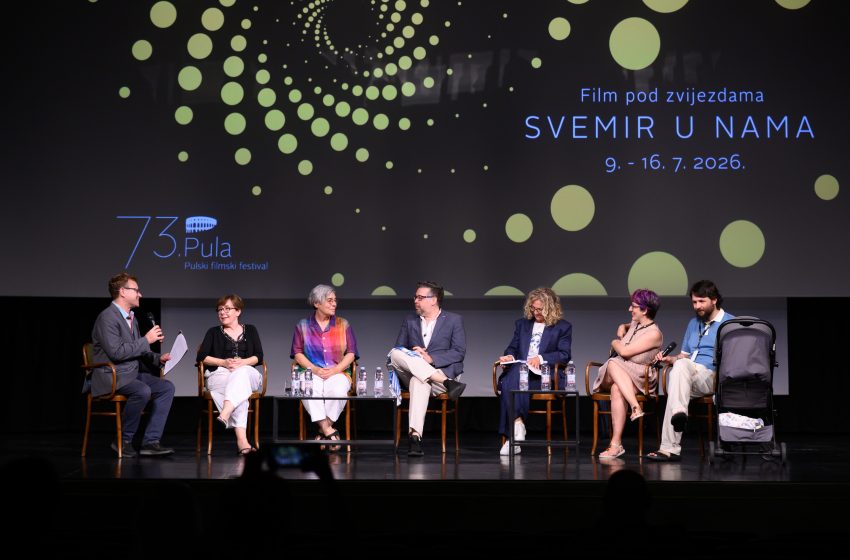
The Croatian premiere of the documentary film Vlasta, Memory Is Not Everlasting (Vlasta, el recuerdo no es eterno, 2025) by Candela Vey and Martín Miguel Pereira opened the Homage to Vlasta Lah Programme. The authors spoke to critics Pablo de Vito and Alemka Lisinski, and historian and art historian Leonica Kovač following the screening. The conversation was moderated by Boško Picula.
Candela Vey highlighted the importance of screening their film in Vlasta Lah’s home town: “It is important to me here, because Vlasta was born in Pula. We researched her life and work for ten years, looking in Italy and Australia, contacting her friends and family; and everything in out film is a result of that research.”
Martín Miguel Pereira said the research was exhaustive and difficult, because there were no leads about Vlasta Lah, no information or photographs, even though hers is a big story. “She is important in the history of Latin American film. Her first film already brought her together with the stars of that time. News that a woman will be directing for the first time spread far and wide, but when the film was completed, it was not received well by the critics. We think Vlasta was done a great injustice, and we wanted to make it right with this film and our book.”
Answering the question to what extent her films were avant-garde or subversive for the time in which they were created, Pablo da Vita explained that we have to understand the position of women in Argentine cinema and the fact that they were a rarity at the time of silent film. “Vlasta truly was a pioneer and she did have an avant-garde voice and a unique aesthetic. Two of her films were censored in Argentina and banned in Spain.”
Leonida Kovač emphasised that the superb aesthetic of Vlasta Lah’s films is of great importance in the transfer of ideas that she articulated. “In her films The Furies and The Models, she accurately showed that gender and class repression go hand in hand. She was the first one to clearly articulate that idea with superb aesthetics,” said Kovač and added that Lah was a fantastic creative figure who set sail into the world from Pula, and that it is important to have an opportunity to watch her films that show a connection between the time in which she worked and today’s times. Her time was marked by censorship and the military junta in Argentina, as well the rule of Franco in Spain. On the other hand, in our, modern times, conservative revolution has a new face of fascism and is aiming at women’s rights.
Alemka Lisinski said the documentary film on Vlasta Lah shows, in a subtle way, that women at that time had to endure a lot if they wanted to succeed, as they do today. “Vlasta Lah was ‘the second one’ from an early age. In society of that time, her husband was more important, and she would assist. She is the second and third, she moves to another country, she is a foreigner, she is in a profession unavailable to women. The text about the censorship in Spain really affected me. This type of sexist brutality paints the regime that presents her as a crazy, sexually starved woman who ruins men,” said Lisinski, comparing it to Almodóvar’s film Women on the Verge of a Nervous Breakdown, and later also to great stories about women like Dora Mar and Frida Kahlo.
Two Vlasta Lah’s films will be screened at Valli Cinema: The Furies at 7 p.m. on Saturday, 18 July, and The Models at 7 p.m. on Sunday, 19 July. The films were restored by GOTIKA® Film Labs. The programme is realised with the help of the Embassy of the Republic of Croatia in Buenos Aires and Fundación Cinemateca Argentina, who own the copies of the films.